





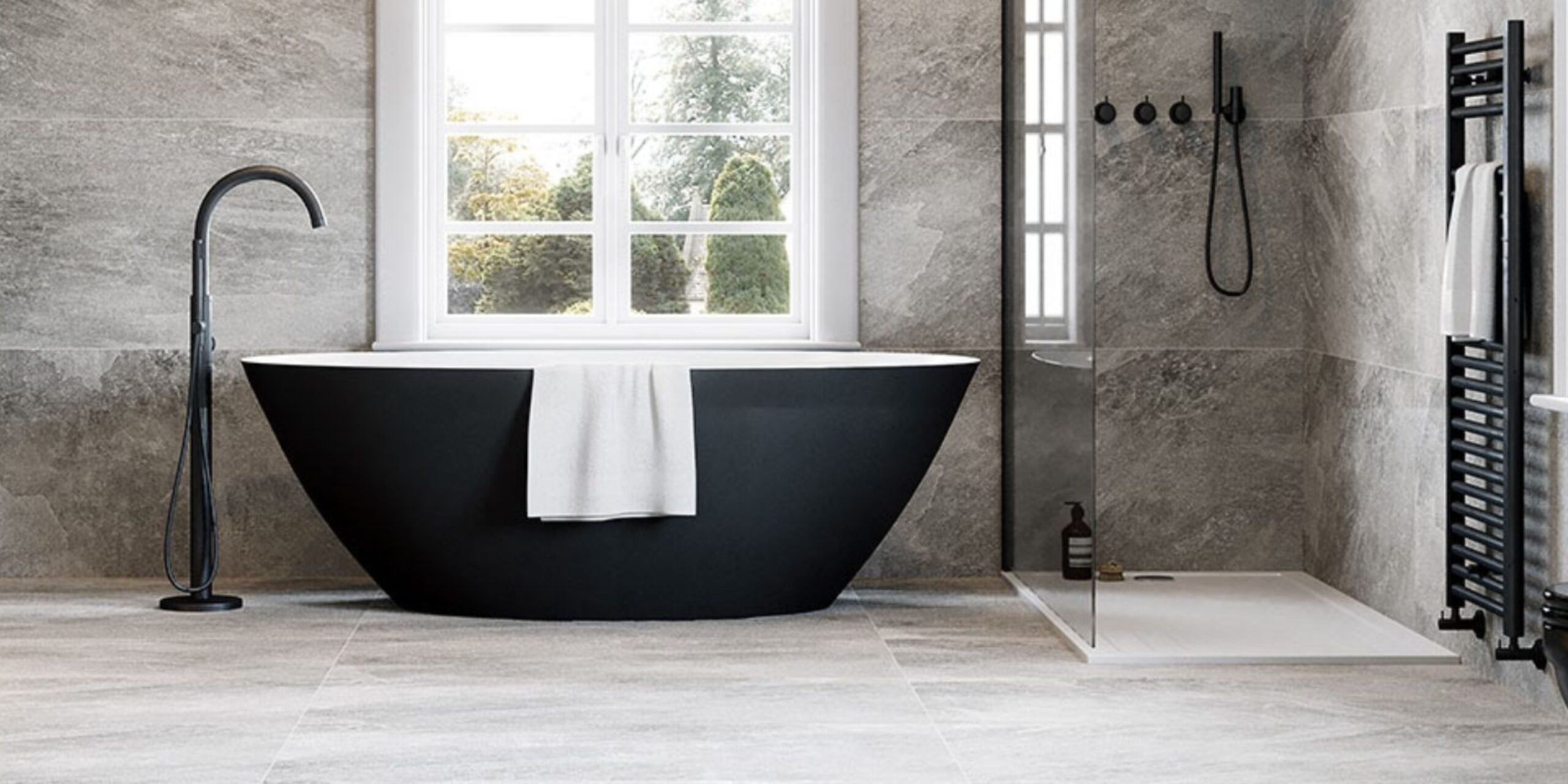
Enter any properly designed bathroom, and what you will see at once is that the tiles speak. They provide the ambience, shape the room, and silently deal with all the splashes, steam, and everyday mess that we bring to them.
If you’re planning a renovation, or even just daydreaming about one, you’ve probably come across porcelain tiles more than once. There’s a reason for that. Designers love them. Builders trust them. Homeowners swear by them.
But what makes them such a standout choice for bathrooms? Let’s break it down.
The Reasons why Porcelain Tiles are Ideal in Bathrooms
Bathrooms are harsh places. Water, humidity, heat, cleaning goods, you name it. Not every surface can cope. Porcelain can.
Porcelain is not as porous as regular ceramic; it is denser due to firing at more elevated temperatures. That means it absorbs far less water. It implies that it retains very little water. It is a massive achievement in a room where moisture is a day-to-day occurrence.
When choosing porcelain tiles for bathroom spaces, you’re essentially investing in peace of mind. They don’t warp easily. They don’t stain as quickly. And they don’t give in to wear and tear the way softer materials might.
Ever noticed how hotel bathrooms still look pristine after years of use? There’s a good chance porcelain is behind that durability.
Style That Doesn’t Compromise
Durability is great. But let’s be honest, you also want your bathroom to look amazing. Here’s where porcelain really shines.
The Look of Natural Stone (Without the Drama)
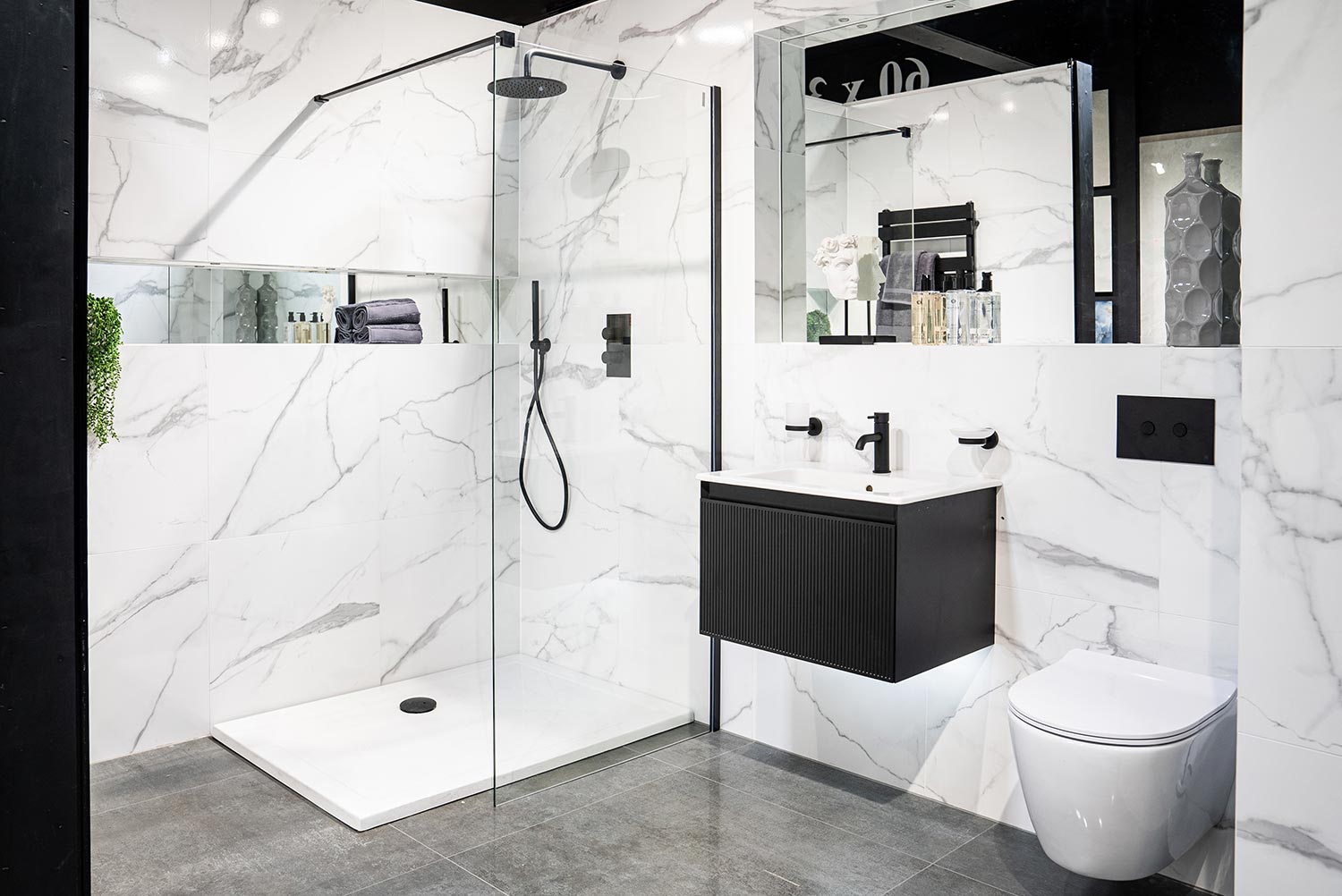
Love marble but hate the maintenance? Porcelain has you covered. Modern manufacturing techniques allow porcelain tiles to mimic:
- Marble
- Granite
- Slate
- Concrete
- Even wood
The detail is so realistic that most people can’t tell the difference unless they look very closely. You get the aesthetic appeal of high-end materials without worrying about sealing stone every few months.
And if you’re browsing for porcelain tiles from London suppliers, you’ll notice just how vast the design options are, from ultra-minimal Scandinavian tones to bold, veined statement pieces.
Large Format Tiles for a Seamless Finish
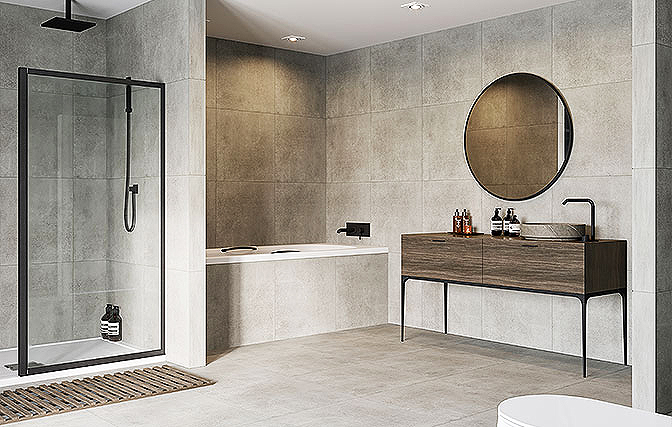
Want your bathroom to feel bigger? Go large. Large-format porcelain tiles reduce grout lines, which creates a cleaner, more seamless look. Fewer grout lines also mean less cleaning. Win-win. For small bathrooms, this trick works wonders. The eye sees continuity rather than interruption, which visually expands the room.
Durability That Actually Lives Up to the Hype
Let’s talk about real life. Bathrooms aren’t showrooms. They’re used. Every day. By everyone. Shampoo bottles drop. Kids splash. Hot showers create clouds of steam. Cleaning products get sprayed regularly.
Porcelain tiles handle all of it. Because they’re so dense, they resist scratches better than many other materials. They don’t easily chip, and they maintain their colour even with prolonged exposure to sunlight or harsh lighting.
And if you’re installing underfloor heating? No problem. Porcelain conducts heat efficiently and won’t crack under temperature changes when installed correctly. This is why most of the time, the professional installers suggest porcelain as compared to other forms of bathroom tiles.
It is not only about appearance but also about performance in the long term.
Porcelain Tiles and Water Resistance
Here’s something that doesn’t get talked about enough: water absorption rates. Porcelain typically has a water absorption rate of less than 0.5%. That’s incredibly low. Lower absorption means:
- Reduced risk of mould growth
- Less staining
- Better longevity
In showers, especially, this matters. You don’t want tiles that soak up moisture over time. That’s a recipe for hidden damage. When properly installed with quality grout and waterproof backing, porcelain tiles for bathroom walls and floors create a strong moisture barrier.
Maintenance: Easier Than You Think
People sometimes assume that premium tiles equal complicated upkeep. Not true. Porcelain is refreshingly low-maintenance. You don’t need special cleaners. A simple routine works perfectly:
Daily and Weekly Care: Wipe down wet areas after showers to reduce watermarks. Sweep or vacuum floors to remove grit that could scratch the surface. Mop with warm water and a mild detergent once a week. That’s it. No sealing is required for most glazed porcelain tiles. No elaborate polishing routines.
Grout Still Matters: Here’s the truth: grout needs attention. Even the best porcelain won’t save poorly maintained grout lines. Choose high-quality grout and consider a stain-resistant option. Clean grout regularly with a gentle cleaner, and you’ll keep your bathroom looking sharp.
It’s not the tiles that usually age a bathroom. It’s neglected grout.
Choosing the Right Finish
Not all porcelain tiles are the same. The finish you choose changes both the look and feel of your bathroom.
Polished Porcelain: Highly reflective. Sleek. Luxurious. Polished finishes work beautifully on walls and low-traffic areas. They bounce light around, making smaller bathrooms feel brighter.
Just keep in mind, they can be slippery when wet. Not ideal for shower floors.
Matt and Textured Finishes: like something less flaunty? Like something less flashy? Matt porcelain tiles have a soft look, which is modern. They also lack the slipperiness and hence are very good on the floors. Rough finishes are also used to give a grip and character. Consider textures of stone, which are pleasant to walk on.
Whenever you are shopping for bathroom tiles, you need to look at their beauty and functionality. That glossy tile might look stunning in a showroom, but will it feel safe stepping out of the shower?
Porcelain Tiles London: What to Look For
If you’re shopping locally, especially in a design-forward city like London, you’ll find no shortage of choices. But don’t just focus on appearance.
Ask about:
- Tile thickness
- Slip rating (especially for floors)
- Water absorption rate
- Suitability for underfloor heating
Reputable suppliers of porcelain tiles London homeowners trust will happily explain these details. If they can’t, that’s a red flag. It’s worth investing time in selecting the right product. Tiles are not something you replace every few years.
Installation Makes All the Difference
Even the best tiles won’t perform well if installed poorly. Bathrooms need proper waterproofing beneath the surface. Tanking systems or waterproof boards, come into play in the process of protecting walls and floors by professional installers before tiling can start.
Spacing, leveling, and correct adhesive selection matter too. If you’re investing in quality porcelain tiles, don’t cut corners on installation. A well-installed porcelain bathroom can last decades.

Creating a Cohesive Bathroom Design
Tiles aren’t just practical surfaces; they’re design tools. Want a spa-like retreat? Use porcelain stone-effect in large format with warm lighting and low-key fixtures. Prefer something bold? Patterned porcelain can be used on a feature wall and balanced on the rest of the walls with neutral coloring.
You can even mix finishes, matte floors with polished walls, to create a subtle contrast without overwhelming the space. Because porcelain tiles come in such a wide range of styles, they make it easy to personalize your bathroom without sacrificing performance.
Final Thoughts
Bathrooms need to be relaxing, clean, and durable. The materials you use are not all that big. Porcelain tiles strike a rare balance. They look refined. They perform under pressure. And they don’t demand constant upkeep.
Whether you’re renovating a compact ensuite or designing a spacious master bath, porcelain gives you flexibility. You can go classic, modern, dramatic, or subtle. The foundation stays strong. So next time you step into a beautifully finished bathroom, take a closer look at the tiles beneath your feet and around your shower walls.
There’s a good chance porcelain is quietly doing all the hard work while making everything look effortless.